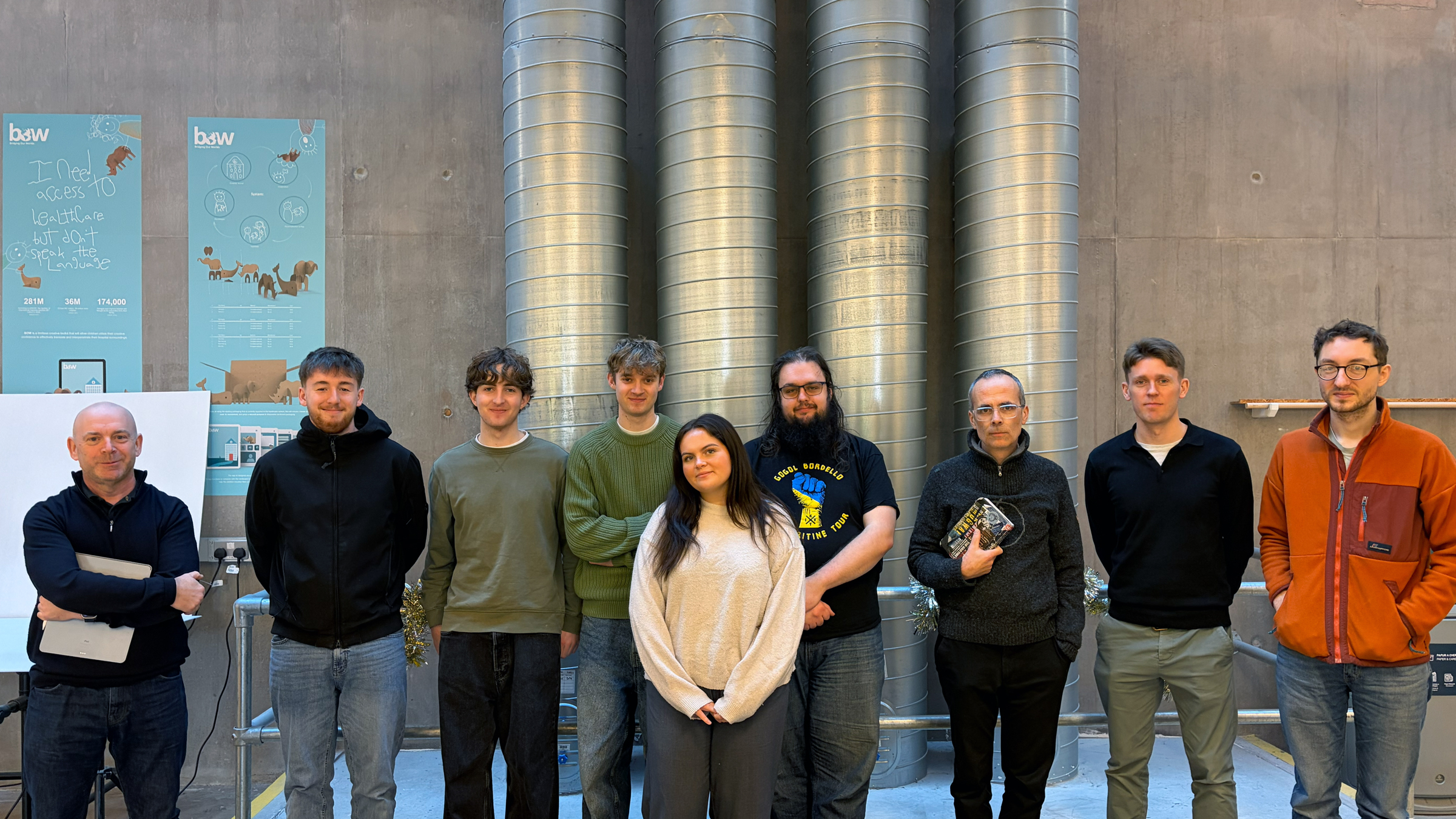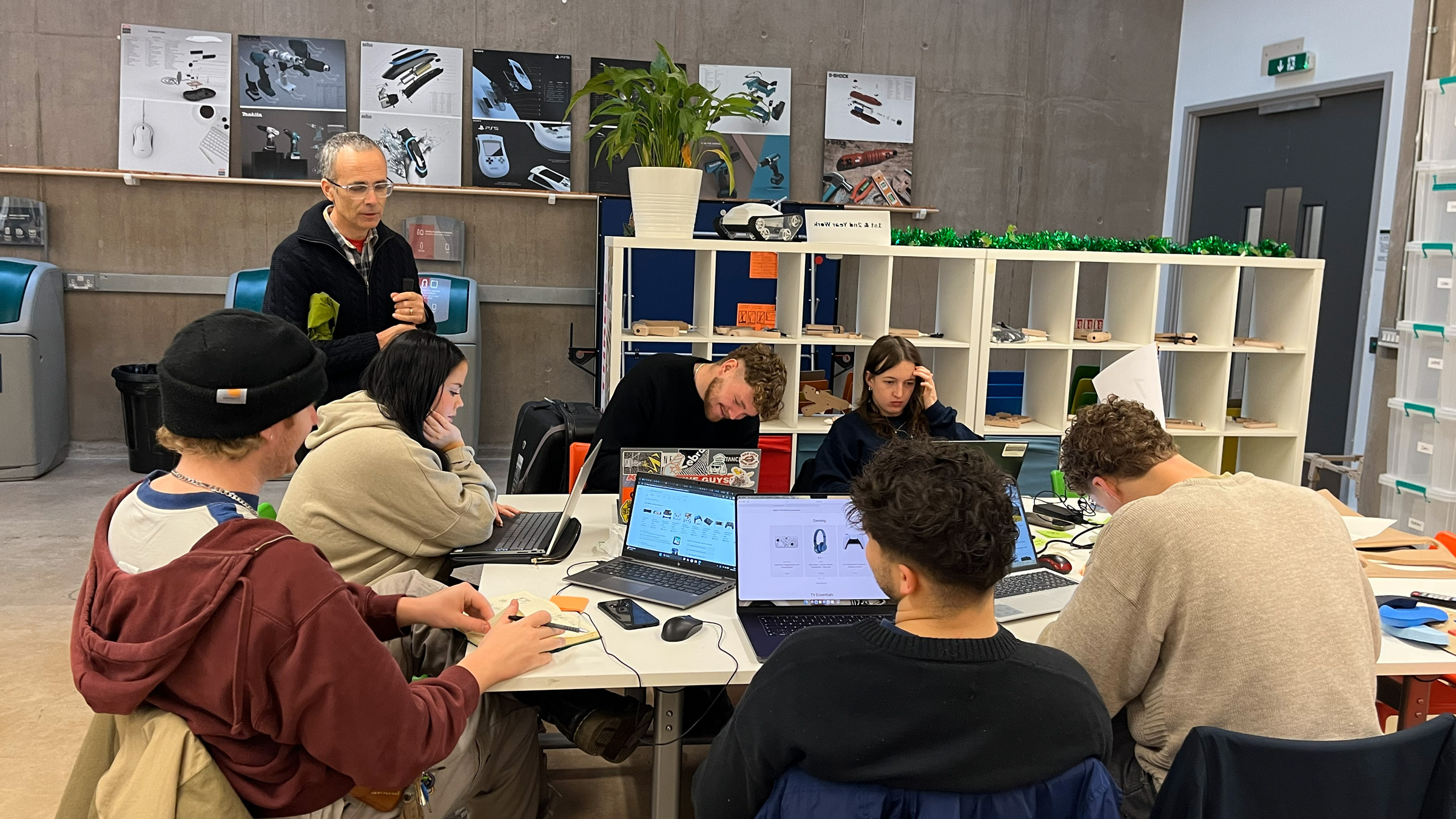
This week, we joined forces with our colleagues at Cardiff School of Art and Design (CSAD) for an exciting 24-hour design challenge with their third-year Product Design students.
The brief?
Create a peripheral device for the mobile gaming market of 2026.
From Concept to Pitch in Just One Day
Five teams had just one day to pull together research, ideas, and a credible concept that looked and felt like something ready for the real world. It wasn’t just about coming up with the “best idea”—it was about showing strong design thinking, working as a team, and explaining the why behind every decision.
We asked students to think about:
- Who their product was for and why it mattered
- How it worked and why that functionality was important
- Why it looked, felt, and behaved the way it did
- What worked, what didn’t, and what they learned along the way
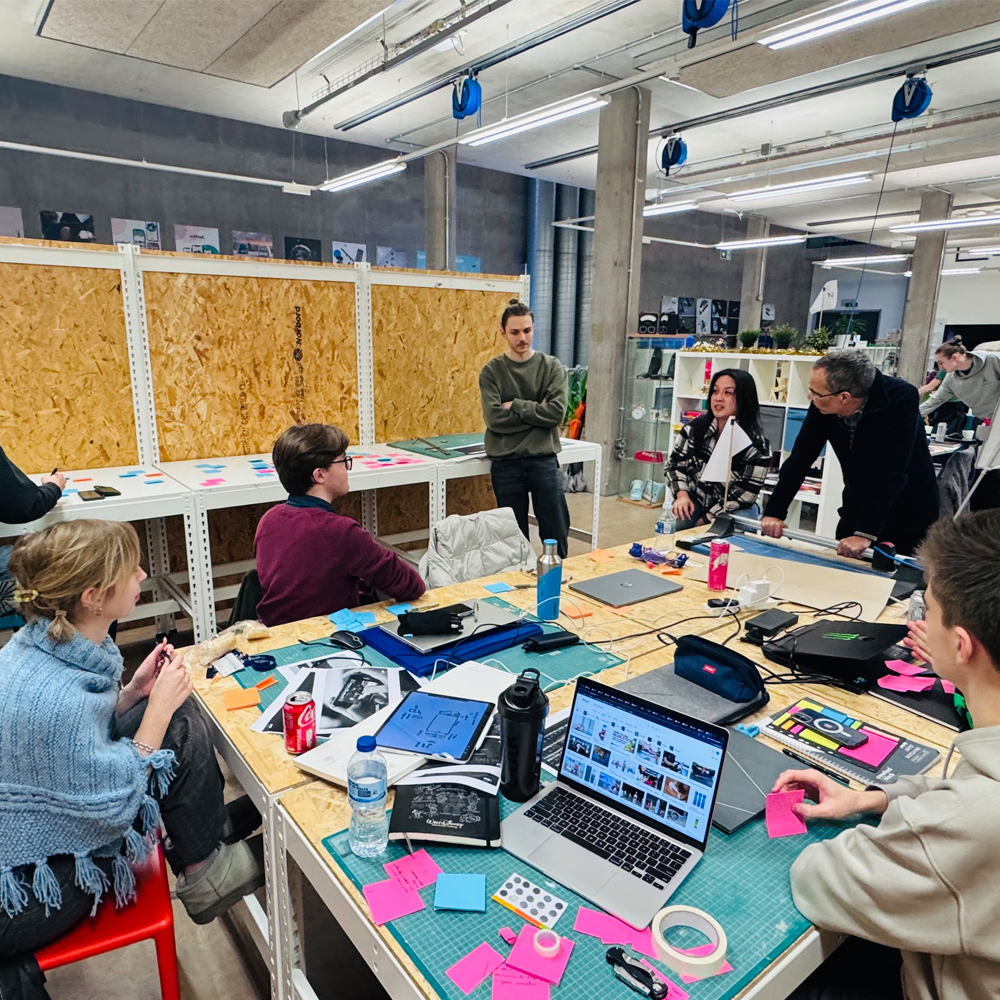
After 24 hours of intense work, each team pitched their concept to us in a five-minute presentation. It was fast, focused, and impressive to see how much they achieved in such a short time.
We were there throughout to offer advice, answer questions, and keep spirits high—with food and refreshments arriving just when they were needed most!
The Winning Concept
We were delighted to award Team 5, Cortex as winners of this year’s 24 Hour Project.
Their concept? A novel system designed for esports organisations and their gamers, to gather data and provide actionable coaching insights and feedback on gaming performance.
The solution included a headset with multiple cameras and sensors, paired with an associated app. The team even produced a demonstration video showing how the coaching system would work—an impressive touch that really brought their idea to life.
We were impressed by the quality and quantity of work produced in such a short time. The design was thoughtful, well-considered, and clearly targeted at a growing market.
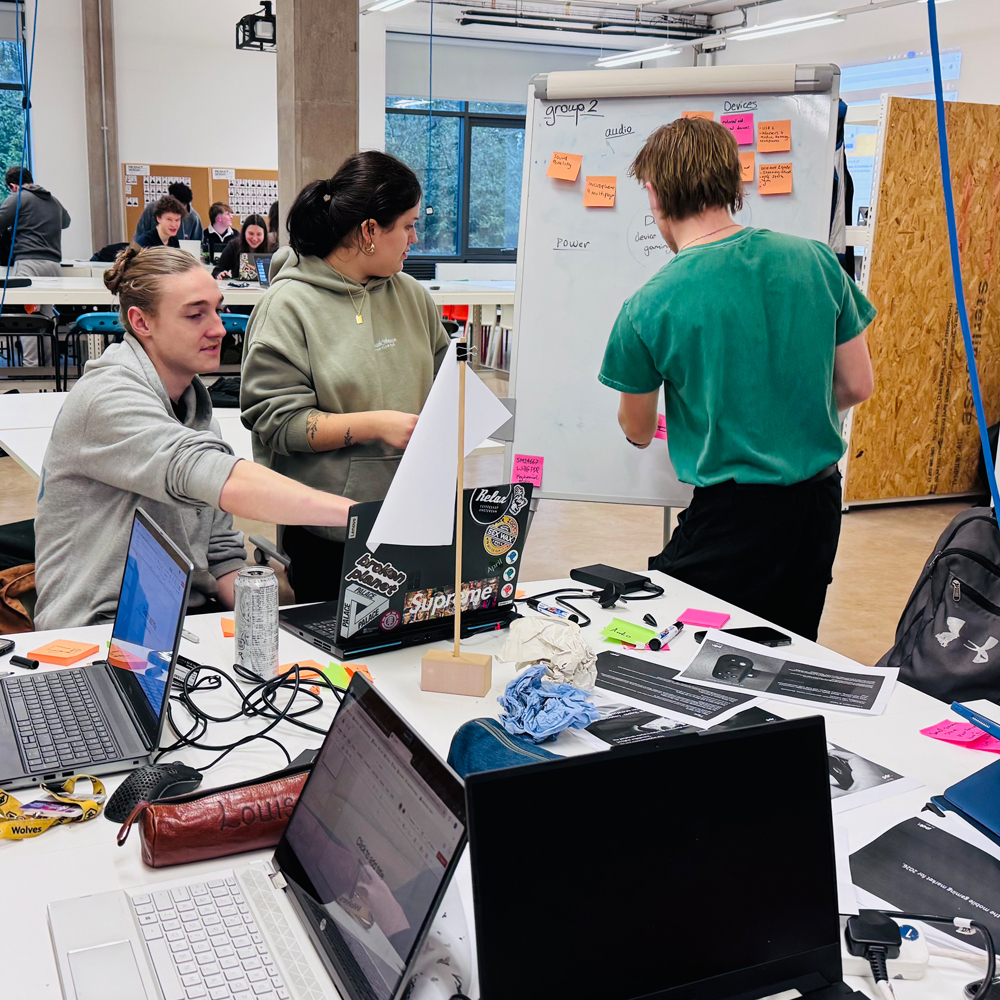
What We Saw
Stuart Clarke, our Design Manager, summed it up perfectly:
“We were genuinely impressed with the quality of work produced across the teams and the outputs created in such a short period of time. A clear theme was how well the groups worked together as teams. That, alongside their enthusiasm, led to some really interesting and exciting work that they should take great confidence from.”
Congratulations to All!
We’re proud to support opportunities like this that give students a taste of real-world design challenges. Huge congratulations to the winning team—and to everyone who took part!